

Waste container solutions for industrial and commercial sectors
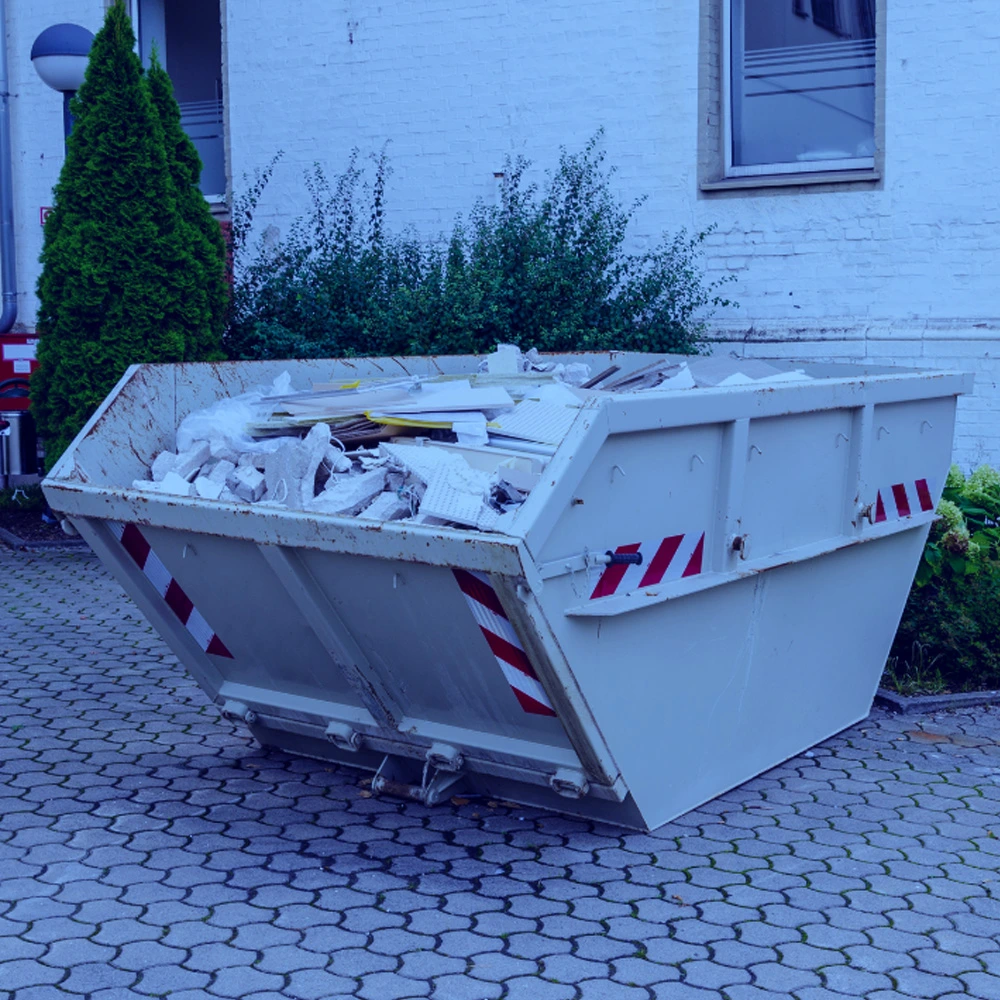

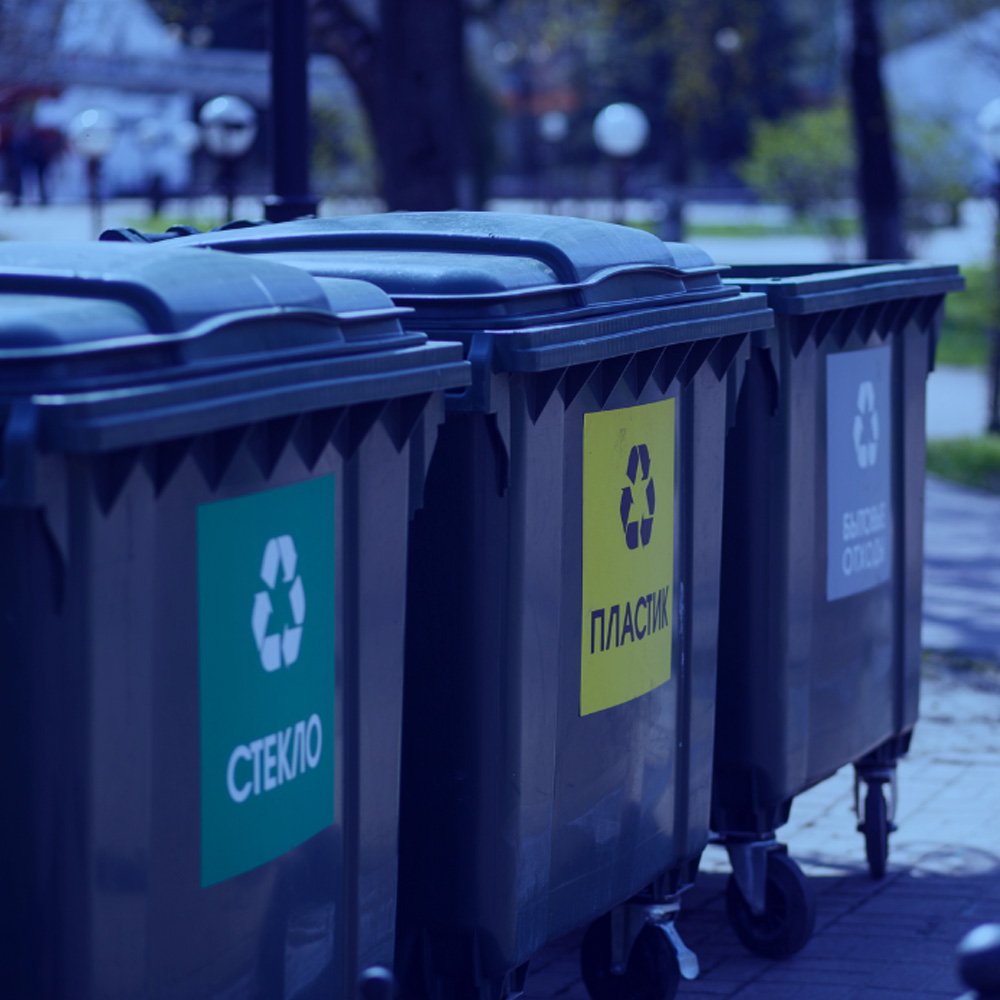
We offer a unified platform for selecting waste containers designed for work environments in Saudi Arabia: galvanized steel with powder coating when needed, EN 840-compliant plastic with capacities of 120–1100 liters, and 304/316 stainless steel for indoor and outdoor solutions. We also adhere to local regulatory practices and safety guidelines with wheel options up to 450 kg per wheel for easy maneuverability and secure parking.

Why are container solutions from Al-Babtain Factory the best?
Compliance with Saudi local standards


National Waste Management Center MWAN
Mawan is a Saudi regulatory body that issues technical guidelines, manages licensing and oversight, and provides a national framework for classifying activities and managing waste when supplying waste containers to large facilities in Riyadh, Jeddah, and Al-Sharqiyah. It is best to align operational practices with the center's strategic directions and plans.
Temporary storage of waste Istitlaa
The legislative platform Istitlaa has issued “Technical Guidelines for Temporary Waste Storage” clarifying site controls and operational requirements prior to transfer to licensed facilities. Referring to this document also helps to determine the locations of lighting containers and safe passage.
Compliance with international and European standards ISO 1461 and EN 840


EN 840 standardizes the dimensions and testing of roll containers and ensures compatibility with lifting equipment, while ISO 1461 specifies the characteristics and testing of hot-dip galvanized coatings for iron and steel products. The inclusion of these two standards in the specifications facilitates technical compliance and verification during receipt.
Full customization: capacities, finishes and protection, panel thicknesses
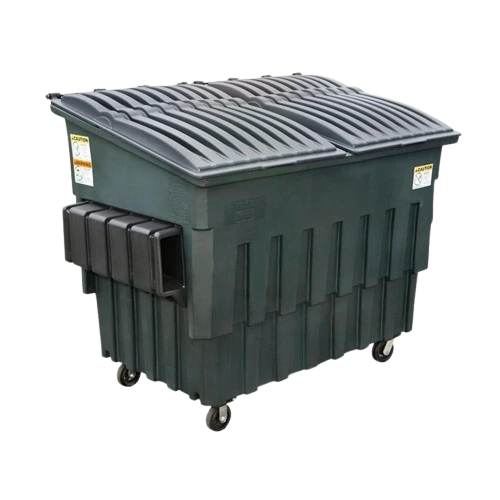
Standard capacity
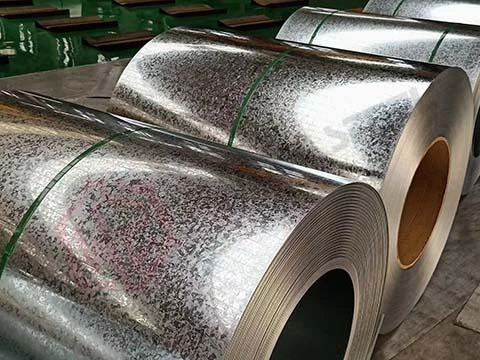
Finishes and protection
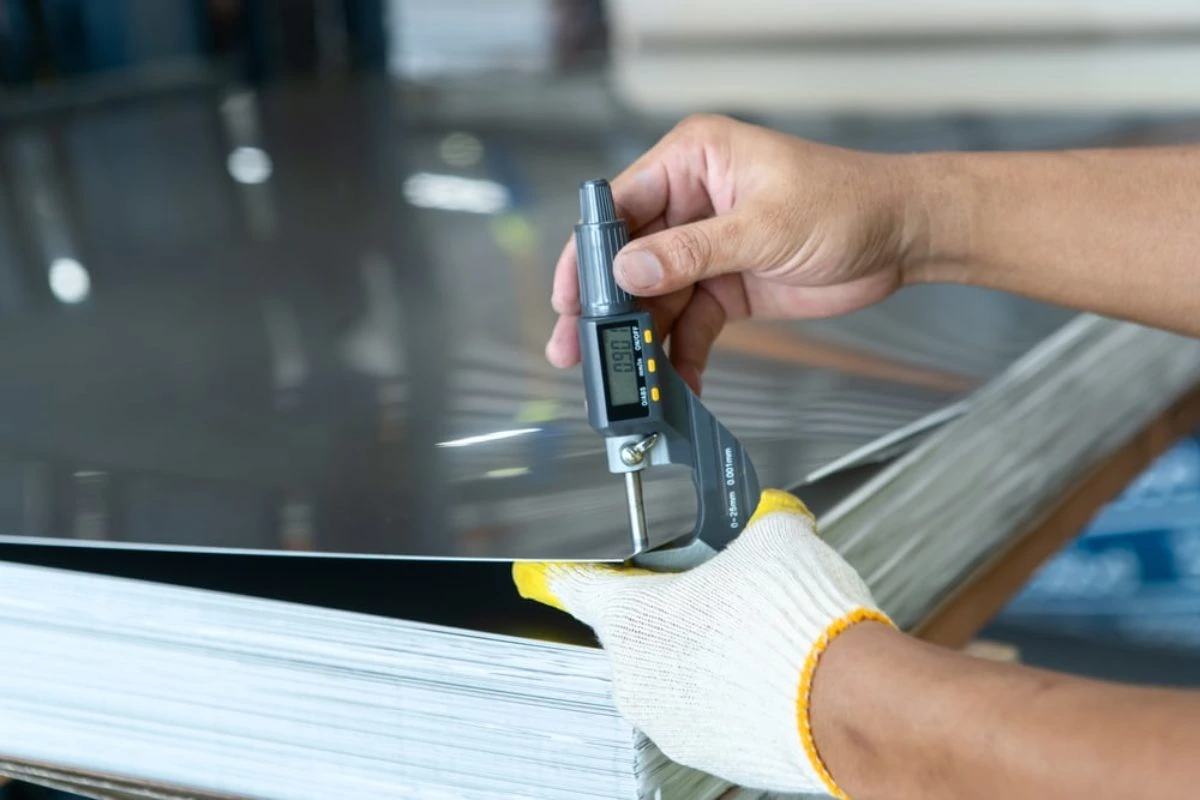
Thickness of boards
Plastic containers: EN 840 types and capacities
Compliance and standards
Operation and options
What is the EN 840 standard for containers?
EN 840 is the European standard that regulates mobile waste containers with wheels (two or four), standardizing dimensions and lifting interfaces (comb and trunnion). to ensure seamless compatibility with collection trucks. It sets strict performance tests to measure durability, stability, shock resistance, cold resistance, and the quality of wheels and handles, in addition to occupational health and safety requirements during operation. Compliance with this standard also gives you reliable, mechanically compatible containers with a longer service life and less prone to breakdowns and accidents. It also facilitates purchasing and technical matching through standard markings and information recorded on the container body.
Stainless steel containers: internal/external and grades 304/316
When should we choose 316 instead of 304?
Confirmed attempts
Container Casters: Diameters, Brakes, and Load Capacities
Lock and brake concepts: 3 basic concepts
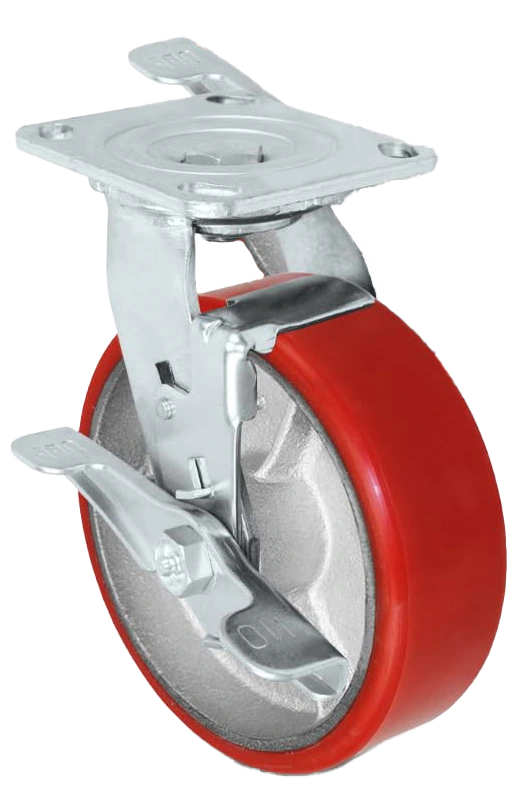
Total Lock
Locks the castor and swivel together for greater stability, recommended for sloping surfaces or loading areas. These definitions are documented in TENTE's technical brochures.
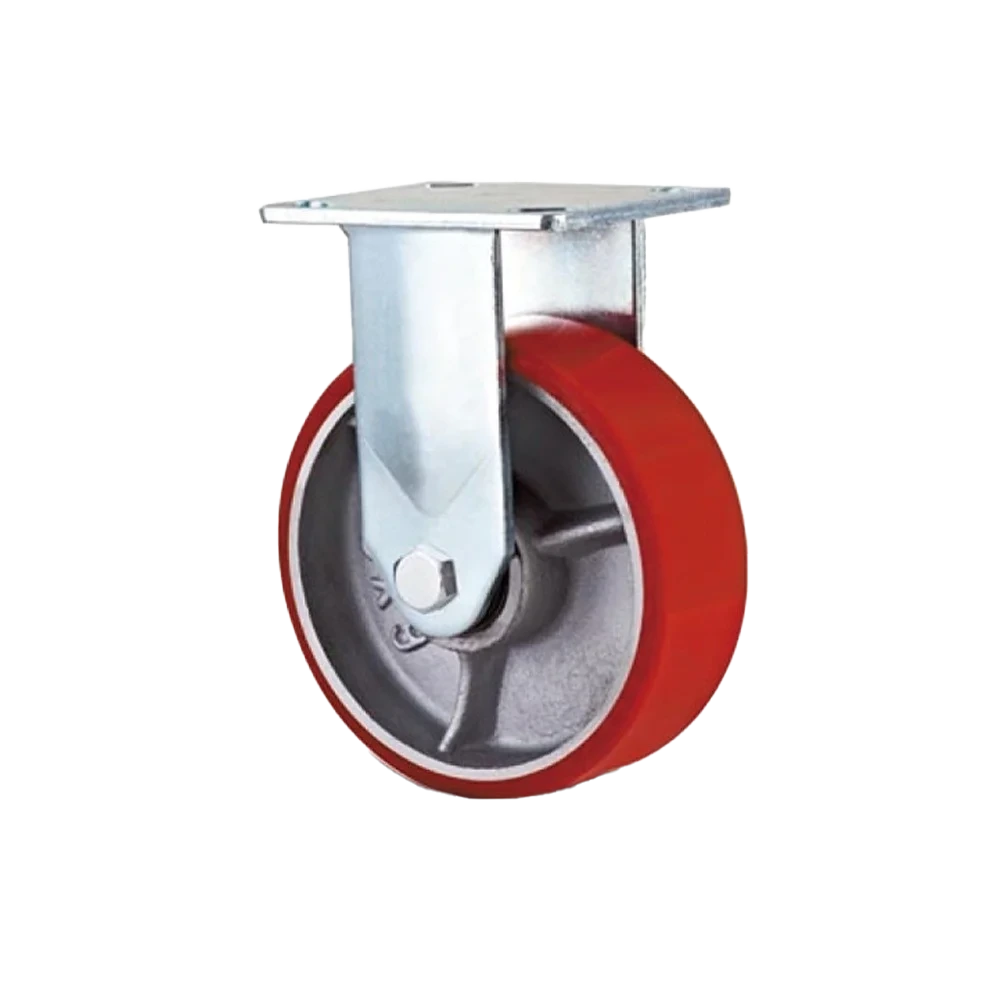
Fixed Direction
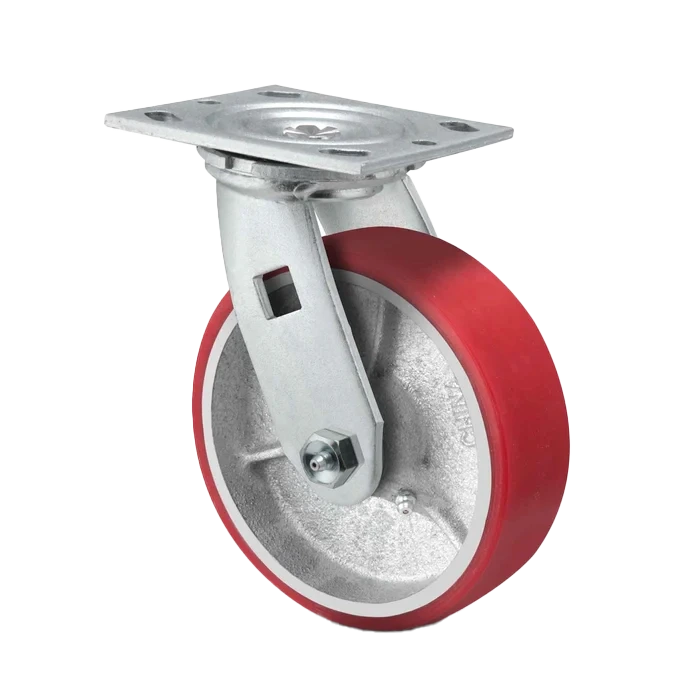
Wheel Brake
Wheel diameters, materials, and loads
Common diameters for waste containers: 100/125/160/200 mm. Wheels with a non-scratch rubber coating are available for indoor floors. For example, market specifications from Blickle show that a 200×50 mm wheel can have a capacity of up to 399 kg, depending on the family and materials, making it more suitable for the expected load ranges of large containers. The actual capacity depends on the wheel structure, material, and type of bearing.